Eight Free Self-Growth Mind Map Book Summaries
http://products.iqmatrix.com/self-help-mind-map-book-summaries/

Thoughts and feelings about life.


Rachel Sterne is the city's first chief digital officer. Her goal at NYC Digital is to use technology and digital media to improve communication with residents and business and enhance government transparency.
Alongside Bloomberg, Sterne created Road Map for the Digital City, which outlines plans to make New York the world's leading digital city.
"The state of the digital city was strong in New York when we began developing the roadmap," says Sterne, who credits Bloomberg's administration with digital development supporting efficiency, transparency and public engagement.
"But we are New Yorkers, and we don't rest on our laurels. That's why the Mayor decided we need a holistic digital roadmap to help New York City realize its full potential and raise the bar even higher."
The road map is split into four strategic categories: Access to Technology, Open Government, Engagement and Industry.
The laugh track as cultural currency, or what David Letterman has to do with the dopamine circuit.
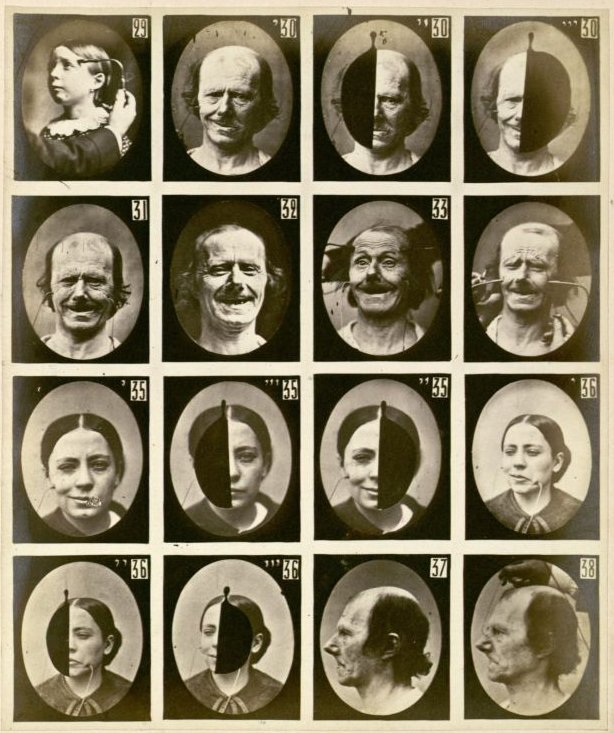 "At the height of laughter, the universe is flung into a kaleidoscope of new possibilities," author and philosopher Jean Houston once said, and Walt Disney famously called laughter "America's most important export." But what exactly is humor, and why does it have such a profound effect on us? In this talk from TEDxRainier, comedian Chris Bliss — whose writing credits include The Tonight Show and The Late Show with David Letterman — explores the sociology and neuroscience of humor, the alchemy of laughter, and why honesty and integrity are at the heart of good comedy, using a handful of Pretty Damn Good jokes to illustrate these insights along the way.
I want to talk [about] the unique power the best comedy and satire has in circumventing our engrained perspectives — comedy as the philosopher's stone that takes the base metal of our conventional wisdom and transforms it, through ridicule, into a different way of seeing, and ultimately being, in the world… It is about communication that doesn't just produce greater understanding within the individual, but leads to real change… communication that manages to speak to and expand our concept of self-interest."
For more on the psychology and philosophy of comedy, see John Morreall's Comic Relief: A Comprehensive Philosophy of Humor and Robert Provine's Laughter: A Scientific Investigation. And for a related TED talk, see Ron Gutman on the science of smiles.
Thanks, Phil
 It's no secret that career success often depends on the quality of the relationships you develop with your managers and co-workers. Although office personalities vary considerably, there are certain rules that always apply because we are all human. Here are 9 to keep in mind as you strive to lead, influence, and collaborate with people at work.
1. We always want more
As human beings, we are usually not comfortable with our current level of achievement. Once we attain success in some fashion, we scarcely take the time to celebrate before moving on to the next big thing. And when it comes to job satisfaction, we want what we don't have. For example, employees in big business want to become free-spirited entrepreneurs, while many entrepreneurs wish for the security of a full-time job. Give us the freedom to try other things so we see why our situation is so great.
2. Everyone wants to feel valued
We want to feel like we are making a contribution to the organization, that our work is making the world a better place. Even if the job is to put the wrappers on chewing gum, we need to understand the big picture and why our role is critical to the company's success. Tell us.
3. People want to talk about themselves
Human beings are self-absorbed by nature, so when you encourage us to tell you about our family, our hobbies, and our pet projects, we feel closer to you. If you want to build strong relationships, remember birthdays and children's names.
4. People want to be part of a group
We are a social species, and we want to fit it at all costs. We may even sacrifice our own ideals for this privilege, hence what is known as mob mentality. Gain broad support for your projects by rallying colleagues to your side.
5. We might want to help you, but we still want something in return
Most humans do genuinely want to assist others, but the part of us ...

